
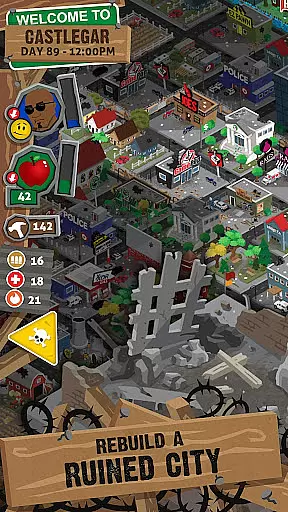
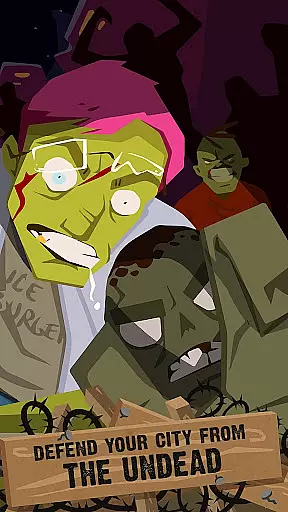
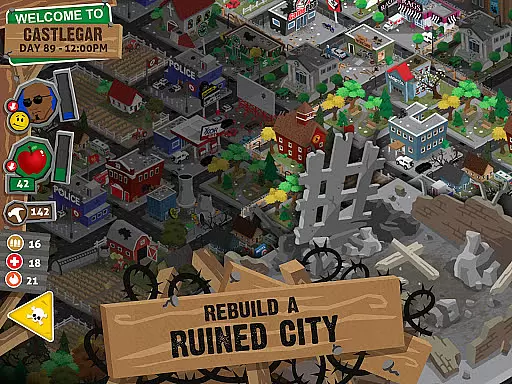
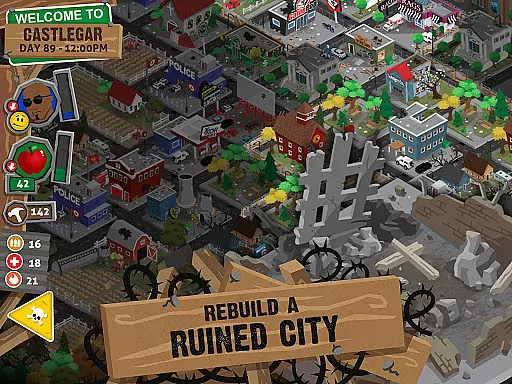
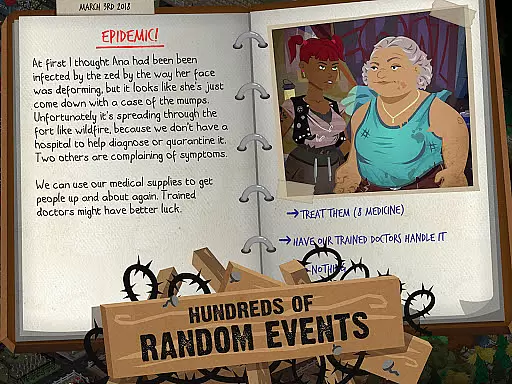
Rebuild 3: Gangs of Deadsville is a strategic simulation game that challenges players to restore civilization in a world ravaged by a zombie apocalypse. As a leader of a group of survivors, your mission is to expand and fortify a ruined city, making critical decisions on resource allocation and construction priorities. The game combines strategic city-building with a deep narrative filled with dark humor, offering an engaging experience as you manage resources, fend off raiders, and maintain the mental health of your people while facing the ever-present threat of the undead.
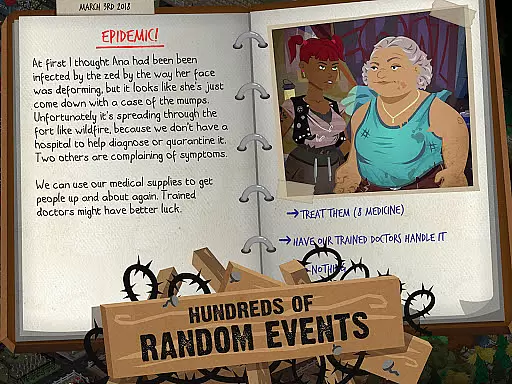
The game stands out with its 4X-style strategy gameplay, allowing endless replayability through randomized cities and events. Players will encounter survivors with unique skills, perks, relationships, and backstories, adding depth to the rebuilding process. You'll need to balance between constructing essential buildings like farms and hospitals, fortifying defenses, and managing resources carefully to ensure survival against raiders, illness, starvation, and insanity. With multiple modes of play including real-time or turn-based options, Rebuild 3 offers a richly varied and challenging experience for strategy enthusiasts.
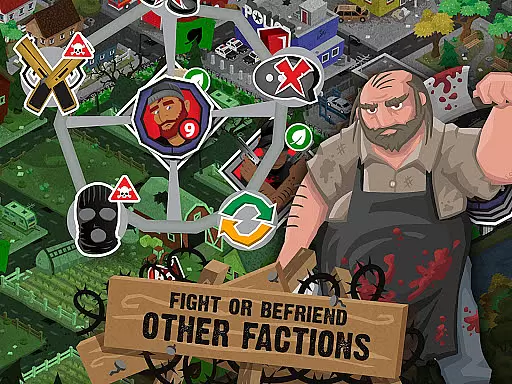
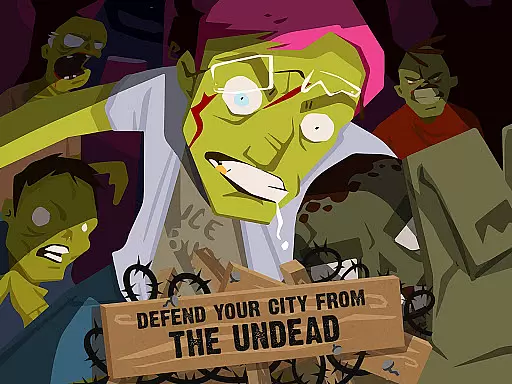
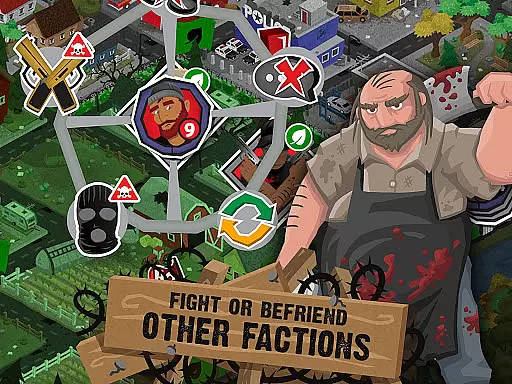
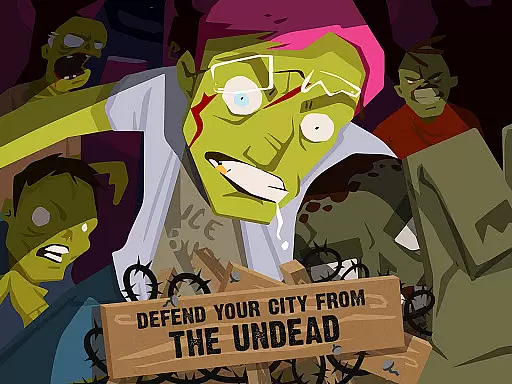
Rebuild 3: Gangs of Deadsville boasts an impressive array of features designed to immerse players in its post-apocalyptic world. One of the core aspects is the strategic fort defense and interactive attack system, where you must protect your territory from rival NPC factions and hordes of zombies. This feature emphasizes tactical planning and adaptability, as each decision can significantly impact your community's survival chances.
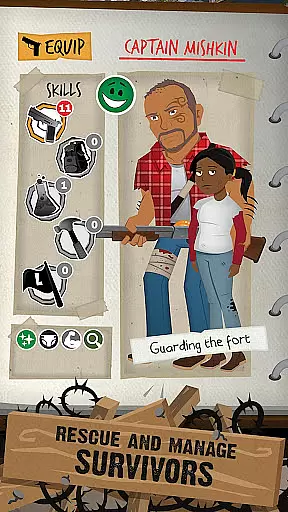
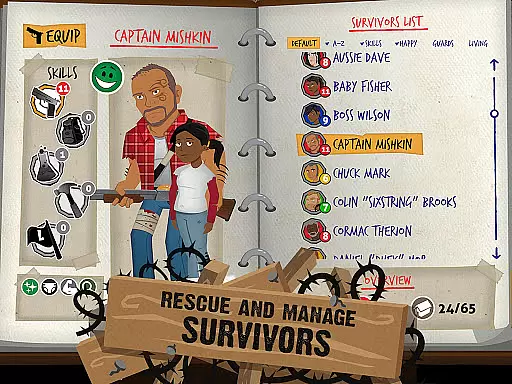
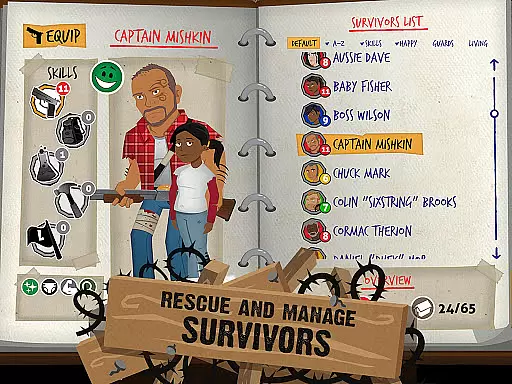
Another standout feature is the extensive character development system, which includes five distinct skills such as defense, leadership, scavenging, building, and engineering. Each survivor possesses individual traits and perks, contributing to a dynamic and evolving gameplay experience. Additionally, the game offers a research tree with 35 nodes, over 50 types of buildings with unique functions, and more than 70 equipment types to discover. These elements combine to create a complex yet rewarding environment that encourages exploration, strategic thinking, and long-term planning.
Strategic depth in a game refers to the variety and intricacy of meaningful decisions a player can make. In Rebuild 3: Gangs of Deadsville, this is vividly showcased through its complex decision-making processes that affect the survival and prosperity of your community. Players must weigh the benefits of constructing different types of buildings such as farms for food production or fortifications for protection against raiders.
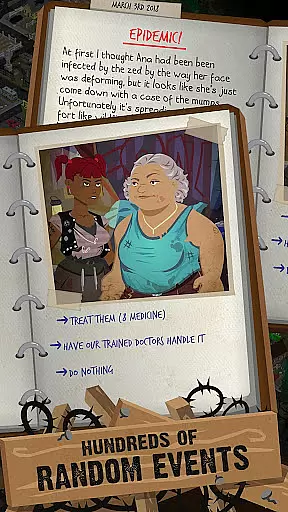
The game challenges players with tough choices like managing limited resources, deciding which buildings to reclaim next, and balancing the needs of the population. Each decision leads to a ripple effect impacting the city's growth, survivor morale, and overall sustainability. This intricate web of decisions ensures that each playthrough can be significantly different from the last.
Players benefit from deep engagement as every choice requires careful consideration and planning. The game rewards strategic thinking by allowing players to devise unique strategies that suit their playstyle, whether it's focusing on aggressive expansion or conservative resource management. This keeps the gameplay fresh and encourages multiple playthroughs to explore various strategies.
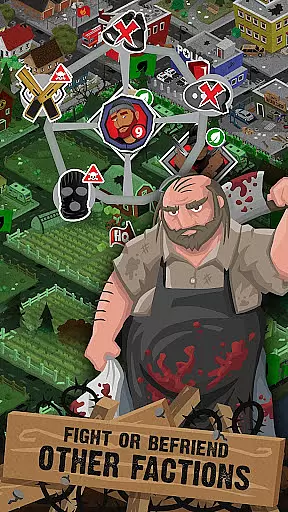
Faction and unit balance is crucial in strategy games to ensure fair competition and maintain the challenge. In Rebuild 3, players encounter rival NPC factions, each with distinct agendas and capabilities. These factions range from friendly traders to hostile gangs, creating a dynamic environment where alliances and conflicts arise naturally.
The game features a diverse roster of survivors, each bringing unique skills, perks, and stories. Balancing these characters' abilities is essential for maintaining an engaging experience. For instance, some survivors may excel in scavenging while others provide better defense or leadership. Ensuring no single strategy dominates the game maintains tension and excitement throughout.
Players gain immense satisfaction from mastering the delicate equilibrium between different factions and units. By carefully managing relationships and leveraging individual strengths, they can outmaneuver rivals and overcome obstacles. This balance fosters a rich narrative where every decision shapes the fate of the community, offering endless replayability and depth.
Engaging storyline
Varied gameplay modes
Rich character customization
Extensive building options
High replay value
Steep learning curve
Complex mechanics
Occasional bugs
Slow progression
Resource management intensive

Be the President! Lead a modern nation, make tough choices, and shape history.
 4.0
4.0
Take command in World War II, now with online multiplayer.
4.60
Settle. Survive. Conquer.
4.30
It is a rogue-like dungeon building game!
4.60
Epic tactics and massive battles in the campaign for history’s greatest empire.
4.70
Bake and decorate delicious pies in Papa's Bakeria To Go!
4.60
Ride, shoot & survive in fun epic offline cowboy and west sniper shooting games.
4.40
React quickly in the strategy war game, conquer states and win the epic clash!
4.10
Fry and toss tons of saucy wings and things in Papa's Wingeria To Go!
4.60
A strategy game without all the headache? We got you covered!
5.00
Survive.! Evolve.! Thrive!!
4.80
Set your td battle strategy at the frontiers. Lead epic towers & mighty heroes
4.80
Build a village of kittens and bring them to the moon!
4.60
Slice and serve delicious sushi in Papa's Sushiria To Go!
4.60
No place to run, and exactly one place to hide.
4.60
PvP duels in real-time with merge fighting and card battle royale strategy games
4.50
Papa's Burgeria is now available to play on the go!
4.40
The unforgiving, award winning SWAT-command quick tactics game.
4.20
Reclaim Earth and lead the resistance in turn-based, tactical action.
3.80


User Reviews